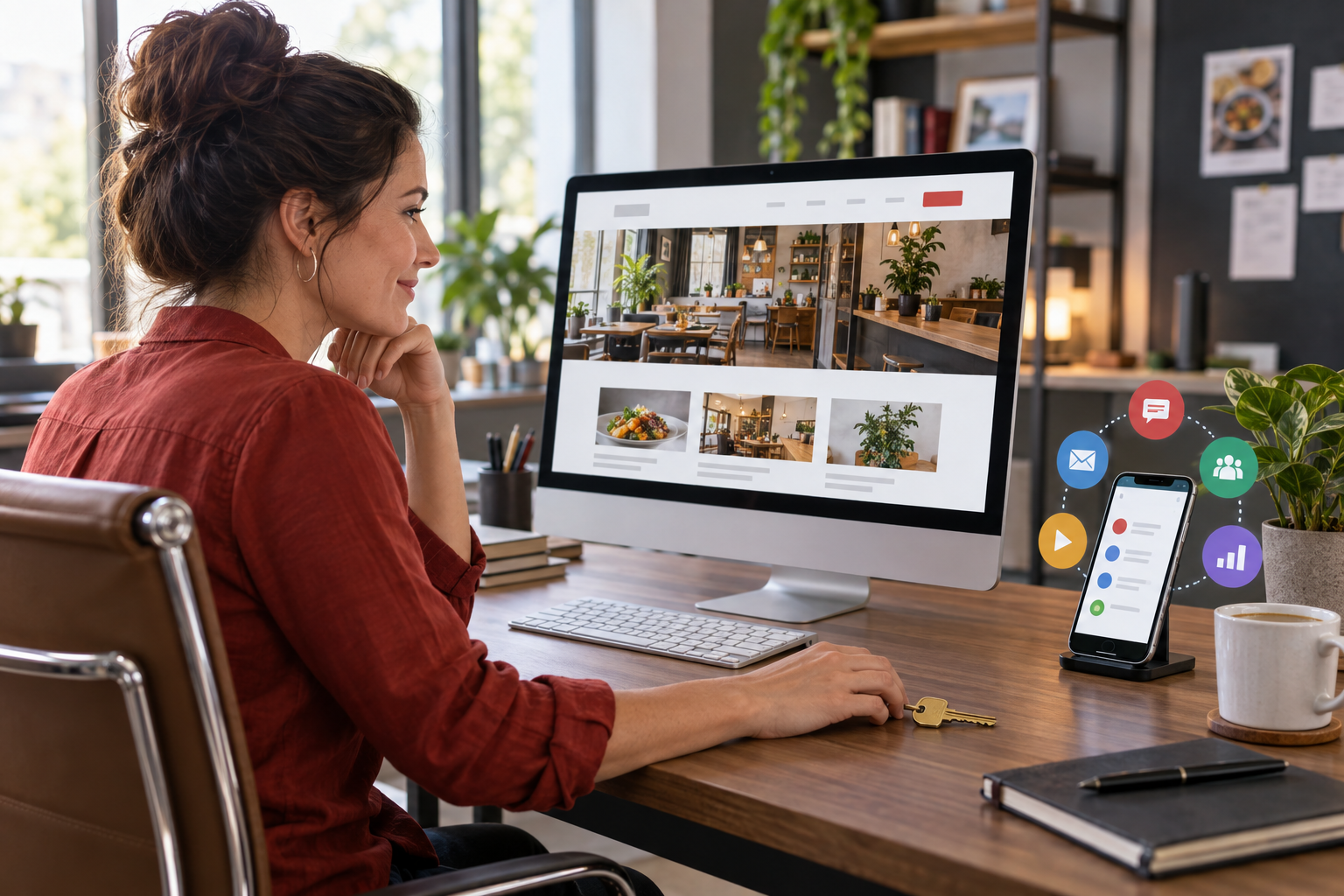
Your website is one of the most important marketing assets your business can own.
It gives customers a place to learn about your business, understand what you offer, view your work, find your contact information, and decide what to do next. It can support nearly every other part of your marketing—from social media and online advertising to reviews, email campaigns, online ordering, and search results.
However, having a website and actually owning your website are not always the same thing.
Some businesses unknowingly build their entire online presence on platforms they do not control. The arrangement may seem convenient at first, but it can create serious limitations when the business wants to make changes, switch providers, or take its content somewhere else.
Your Website Should Be a Business Asset
A professionally built website should become a long-term asset for your business.
You should have control over your domain name, website content, photographs, branding, and administrative access. You should also know where the website is hosted and who can access the account.
When those pieces are properly established, your website can continue evolving with your business. You can add services, publish articles, update photographs, revise your messaging, connect new technology, or move the website to another hosting provider when necessary.
If another company controls every part of the website, you may discover that the website is not as portable—or as independent—as you assumed.

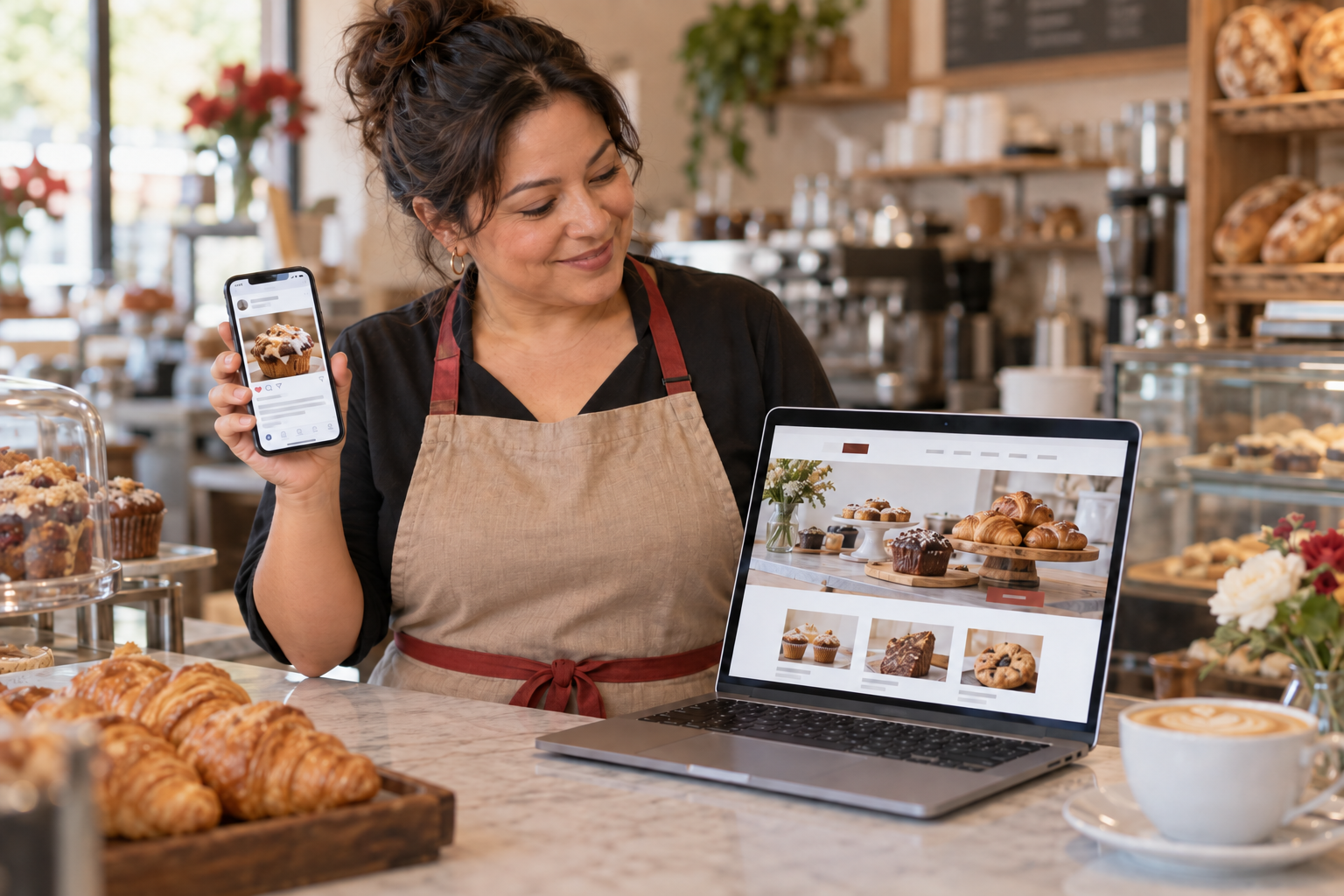
Social Media Is Important, but It Is Not Your Website
Facebook, Instagram, LinkedIn, TikTok, Google Business, and other platforms can all play valuable roles in your marketing. They help businesses reach people, share updates, build familiarity, and participate in conversations.
But you do not own those platforms.
Their rules, algorithms, features, and visibility can change without your permission. An account can be restricted, compromised, or removed. A platform that works well for your business today may become less useful tomorrow.
Your website should serve as the central destination that your social-media activity supports.
A social post may introduce an idea, promotion, service, or resource. Your website gives interested customers somewhere to find the complete information and take the next step.
Social media should help people discover your business. Your website should help them understand and choose it.
An Online-Ordering Page Is Not a Complete Restaurant Website
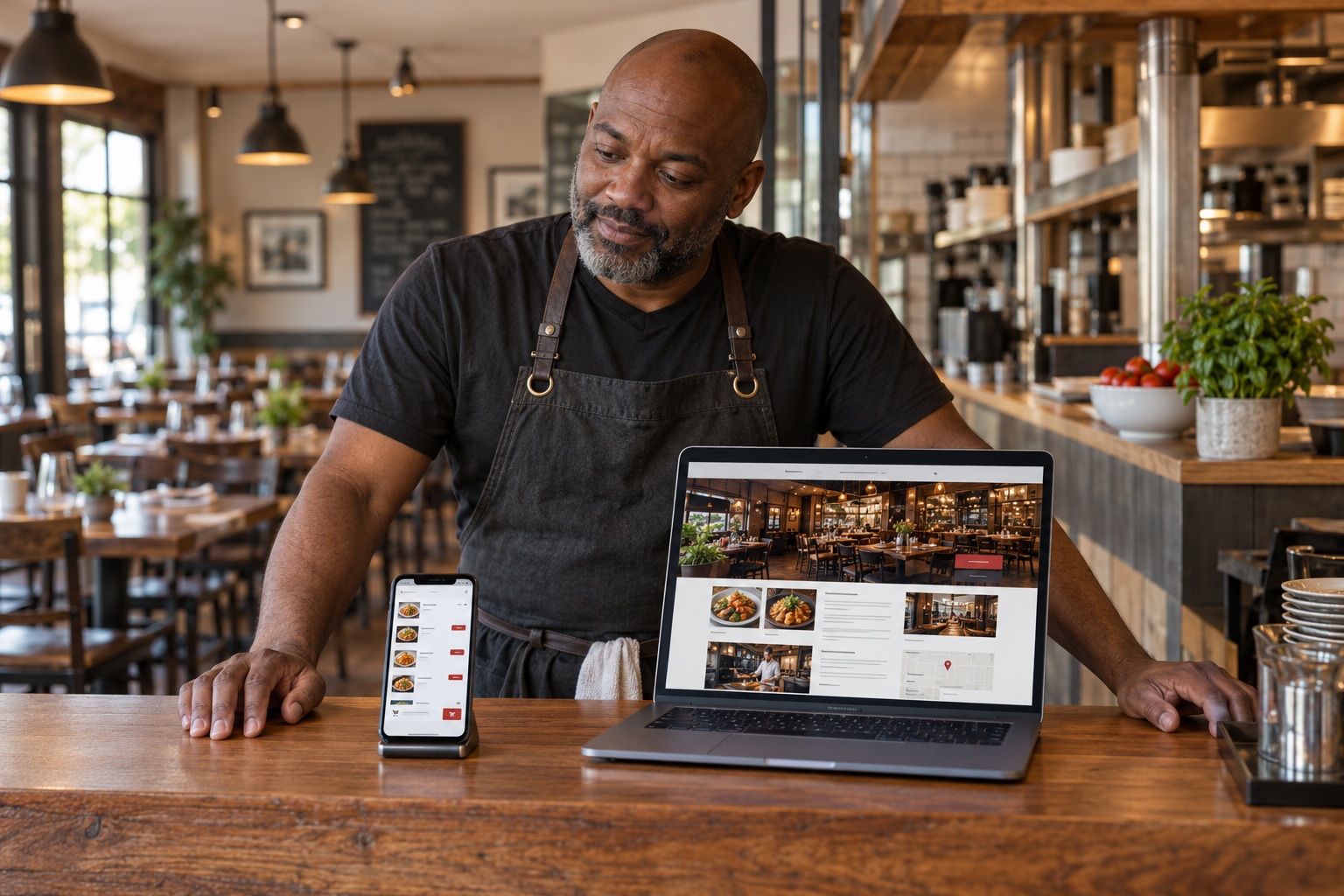
Restaurants sometimes allow an online-ordering provider to function as their entire website.
Online ordering is important, but an ordering page is designed primarily to process transactions. It may not communicate the restaurant’s complete story, atmosphere, services, catering options, photographs, locations, policies, or other important information.
It may also place the restaurant’s primary online presence inside a system controlled by another company.
Your online-ordering provider should connect to your website. It should not automatically become your website.
The same principle applies to appointment platforms, delivery services, online marketplaces, and industry directories. These services can support your business, but they should not replace the digital property you control.
Ownership Gives You More Control Over the Customer Experience
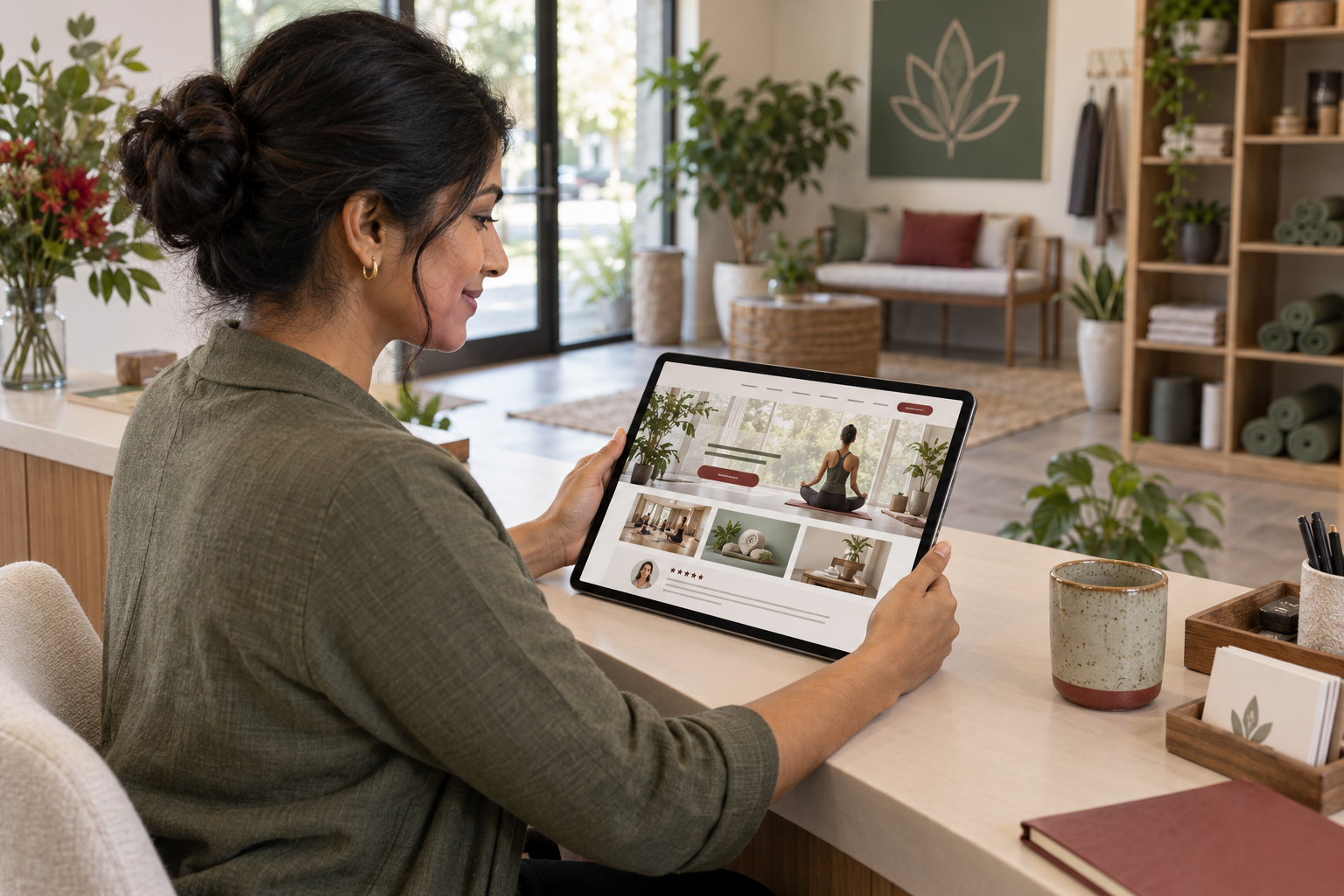
Your website is often where several pieces of your marketing come together.
The logo establishes identity. Photography shapes expectations. Written content explains the business. Reviews provide reassurance. Navigation helps people find answers. Calls to action guide visitors toward ordering, calling, visiting, requesting information, or scheduling a consultation.
When you own your website, these elements can be coordinated around your business instead of being forced into someone else’s template or system. You can see examples of this approach in our website design portfolio.
That does not mean every website needs complicated custom functionality. A straightforward website can be extremely effective when it is accurate, organized, mobile-friendly, visually professional, and easy to use.
The goal is not complexity. The goal is control and clarity.
Know Who Owns Your Domain Name
Your domain name is the address customers use to find your website. It may also support your business email addresses.
The domain should be registered in an account you control or through a provider you trust. Your contact information should be accurate, and you should understand who can renew, transfer, or modify the domain.
Losing access to a domain can affect the website, email, search visibility, and customer communication. Treat the domain like an important business asset—not an incidental technical detail.

Make Sure You Have Administrative Access
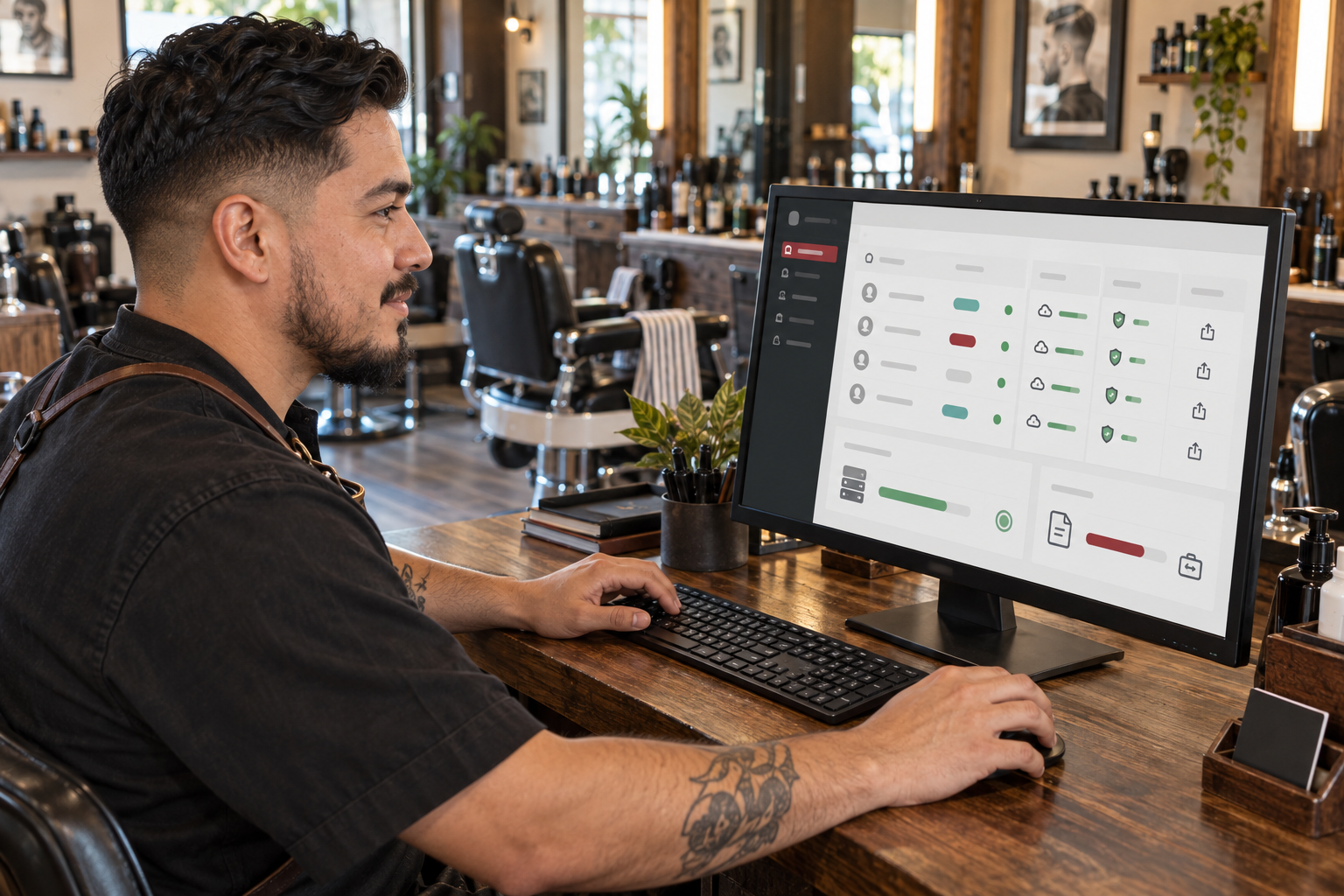
Business owners do not necessarily need to manage their own websites, but they should know who has access and how control can be transferred if necessary.
At minimum, you should understand:
- Who controls the domain
- Where the website is hosted
- Who has administrative access
- Who owns the website content and photography
- Whether the website can be moved
- What happens if you change providers
- How backups and security are handled
A trustworthy website professional should be able to explain these things in plain language.
Your Website Should Be Able to Grow With Your Business
Businesses change. Services expand. Menus evolve. Employees join the team. Locations open or close. Photographs become outdated. New customer questions emerge.
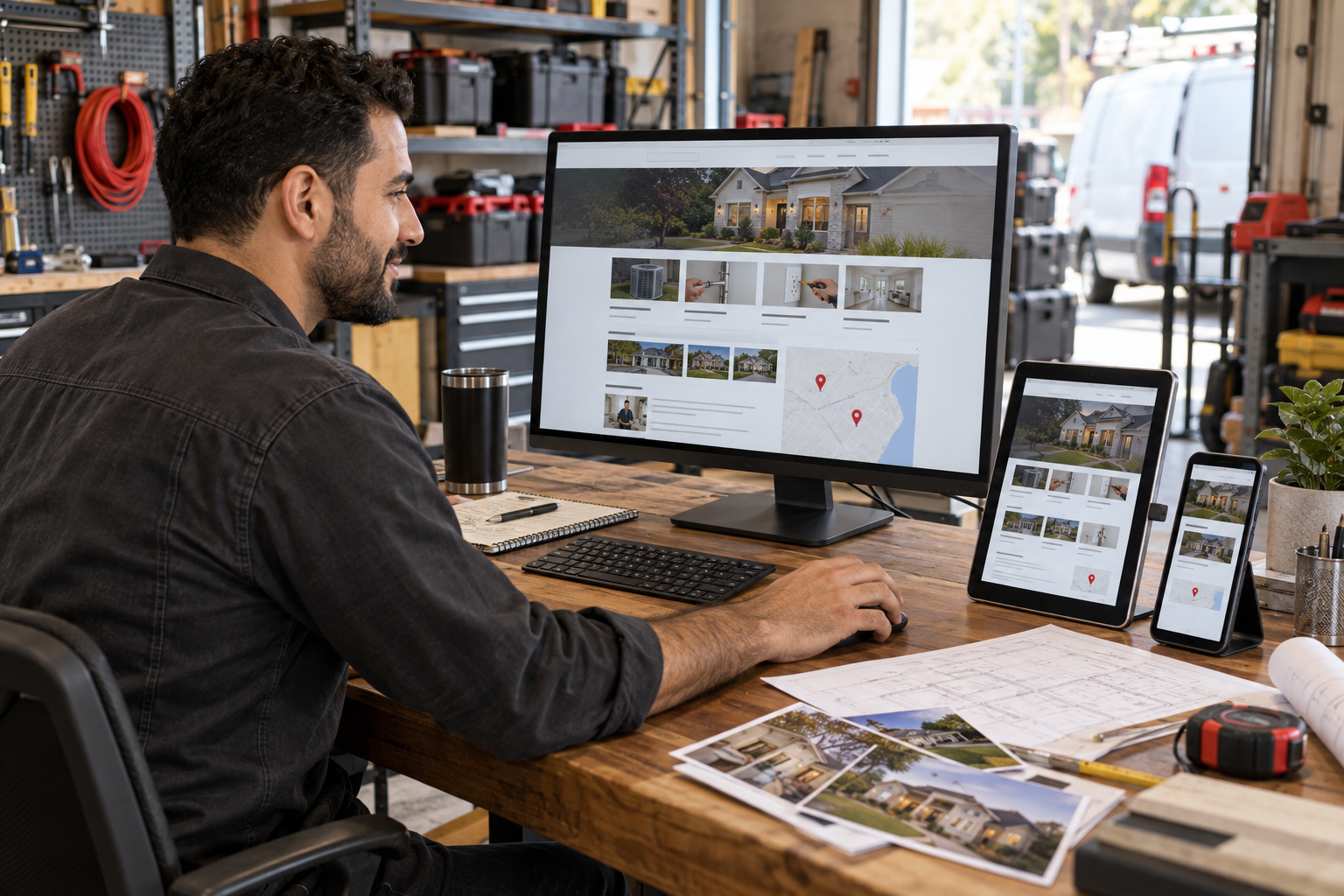
An owned WordPress website can be updated as those changes occur. It can also become a publishing platform for educational resources that demonstrate expertise and bring people back from search engines and social media.
That flexibility makes the website more than an online brochure. It becomes part of the business’s long-term marketing system.
Build on Property You Control
Third-party platforms can help your business reach customers, accept orders, schedule appointments, collect reviews, and communicate. They are valuable tools.
But your business should not be completely dependent on digital property controlled by someone else.
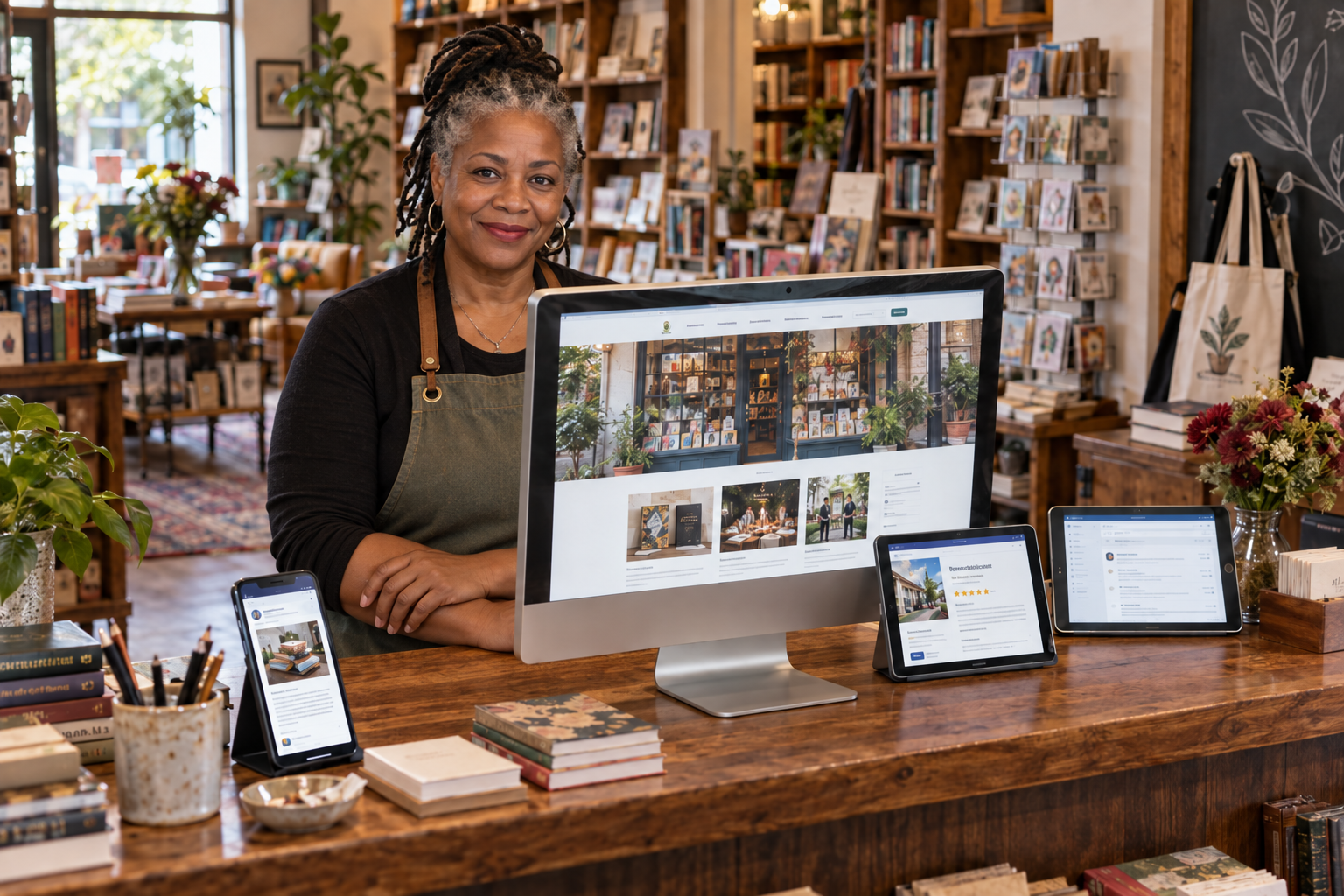
Your website should be the online home of your business—the place where your information, branding, resources, proof, and customer pathways come together.
Use social media, ordering platforms, directories, and other services to support that home. Just make sure you still own the front door.
Does Your Business Control Its Website?
If you are unsure who controls your domain, website, hosting, or administrative access, Menu Surgeon can help you understand what you currently have and what your options may be.
Whether you need a new WordPress website, dependable hosting for an existing site, or straightforward guidance about your online presence, start by scheduling a free consultation.