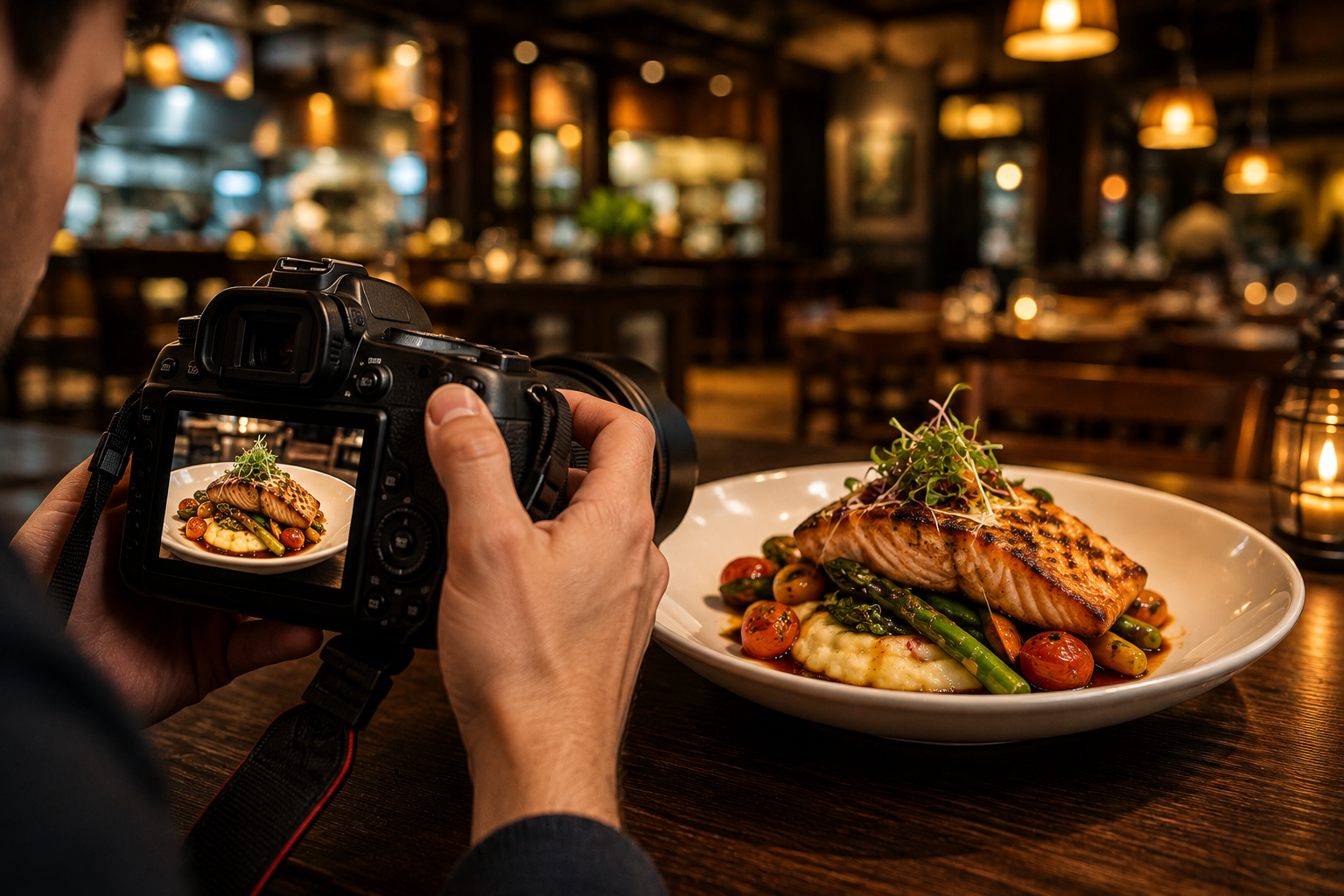
When customers open a restaurant menu, they aren’t just reading a list of dishes and prices. They’re forming expectations.
Before the food ever reaches the table, the menu is already telling them what looks appetizing, what feels worth the price, and what they might want to order.
Professional food photography can play a major role in that decision.
But effective menu photography isn’t simply about making food look pretty. The right photographs can help customers understand a dish, draw attention to items you want them to notice, reinforce the perceived value of your food, and make an unfamiliar menu easier to navigate.
Used poorly, however, food photography can have exactly the opposite effect.
Customers Buy With Their Eyes Before They Taste With Their Mouths
Think about how people choose food outside of a restaurant.
A photograph of a burger, taco, steak or dessert can make someone hungry almost immediately. The customer doesn’t need to smell or taste it. Their brain begins forming expectations from what they see.
The same thing happens when customers look at a menu.
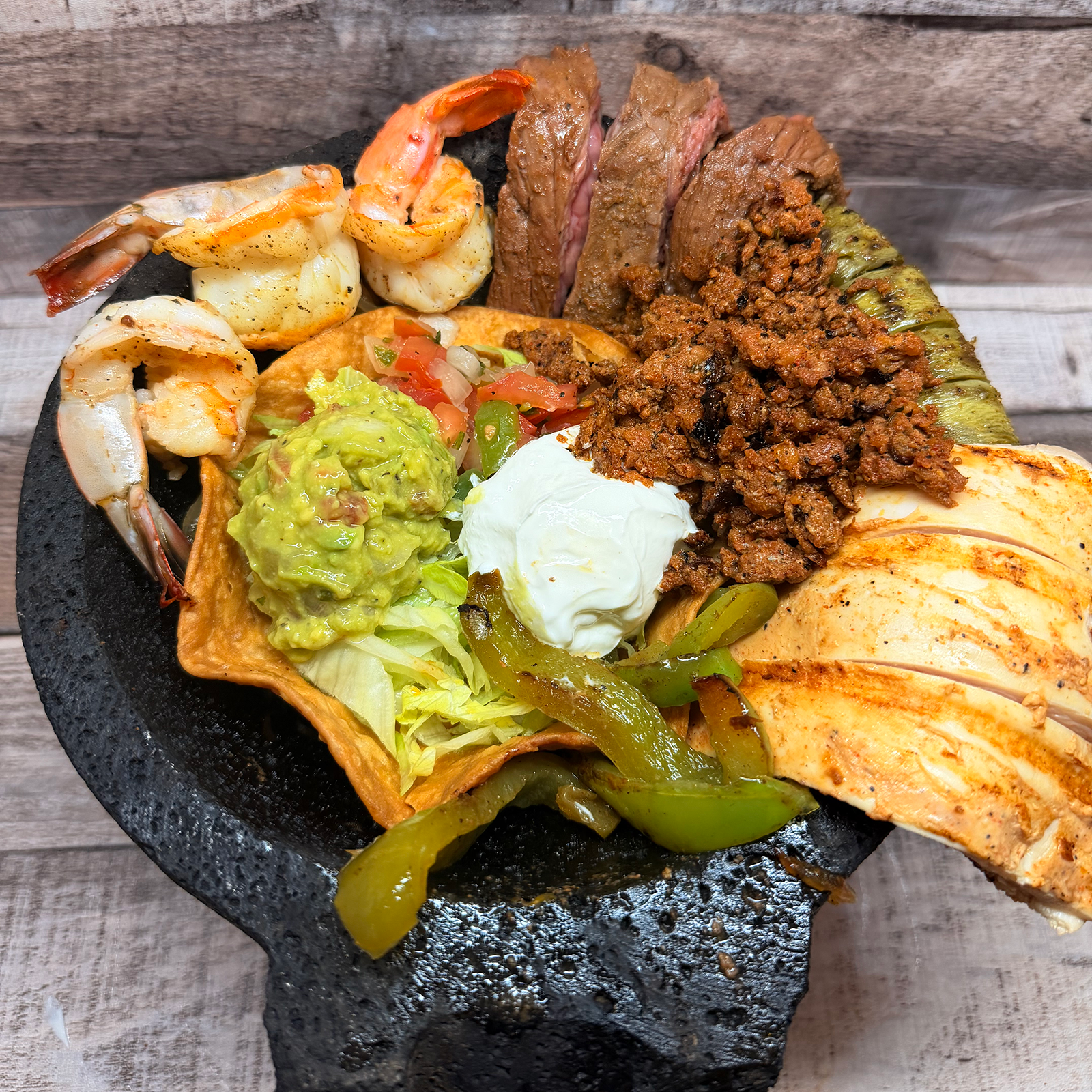
A written description might tell someone that a dish includes grilled shrimp, avocado, roasted corn and a house-made sauce. A strong photograph can communicate much of that information almost instantly.
It gives the customer something tangible to imagine.
Instead of simply reading about the dish, they can begin picturing themselves eating it.
That’s an important distinction.
A menu isn’t only there to tell customers what you sell. A good menu should help customers want what you sell.
Photography Can Reduce Uncertainty
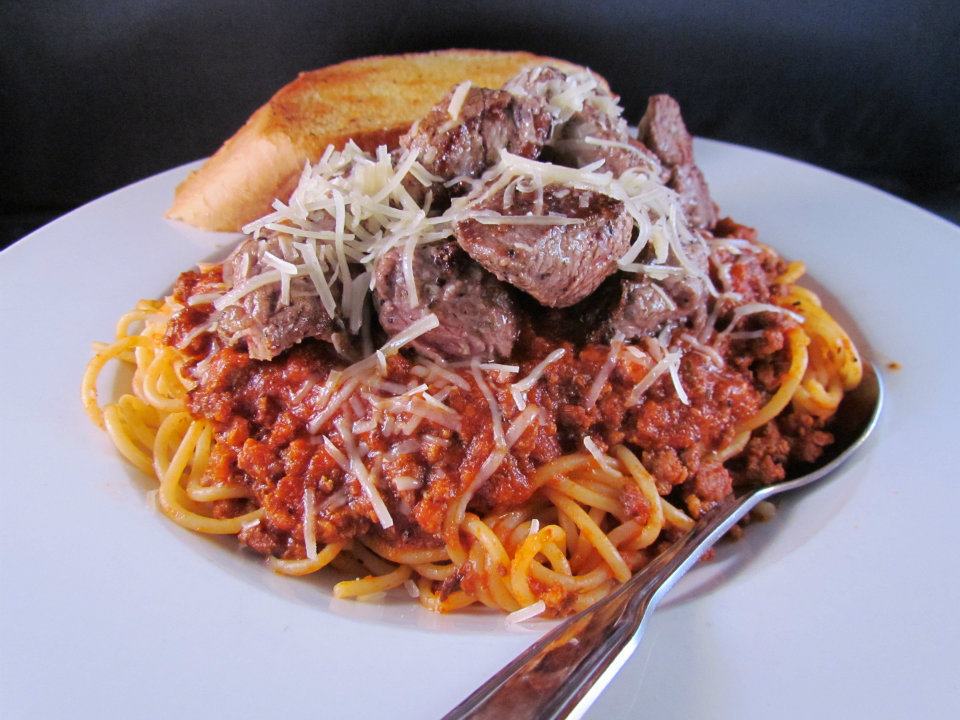
One of the most useful jobs a food photograph can perform is answering a question before the customer has to ask it.
What does this dish actually look like?
This becomes especially important with foods customers may not immediately recognize.
Someone probably doesn’t need a photograph to understand what a cheeseburger is. But what about a restaurant serving regional specialties, unfamiliar preparations, signature dishes or cuisine that some customers haven’t experienced before?
A photograph can quickly communicate portion size, presentation, ingredients and style.
Consider a customer unfamiliar with a particular Mexican entrée, Southeast Louisiana specialty or chef-created signature dish. A description can explain it. A photograph can make it immediately understandable.
That reduced uncertainty can make customers more comfortable trying something new.
A Photograph Creates a Visual Starting Point
Most customers don’t study a menu from the first word to the last. They scan it.
Their eyes move between section headings, prices, descriptions, highlighted items and photographs. Certain elements naturally attract attention before others.
Photography is one of the strongest visual elements available to a menu designer. That makes every photograph a potential starting point.
A customer notices the photograph first. Then they identify the item. Then they read the description. Then they see the price.
That sequence matters.
If a restaurant has a signature dish, a highly profitable item or something that differentiates it from competitors, photography can help make sure customers actually notice it. This is where food photography and menu strategy should work together.
The question shouldn’t simply be: “Which dishes would look good in pictures?”
A better question is: “Which dishes do we want customers to notice?”
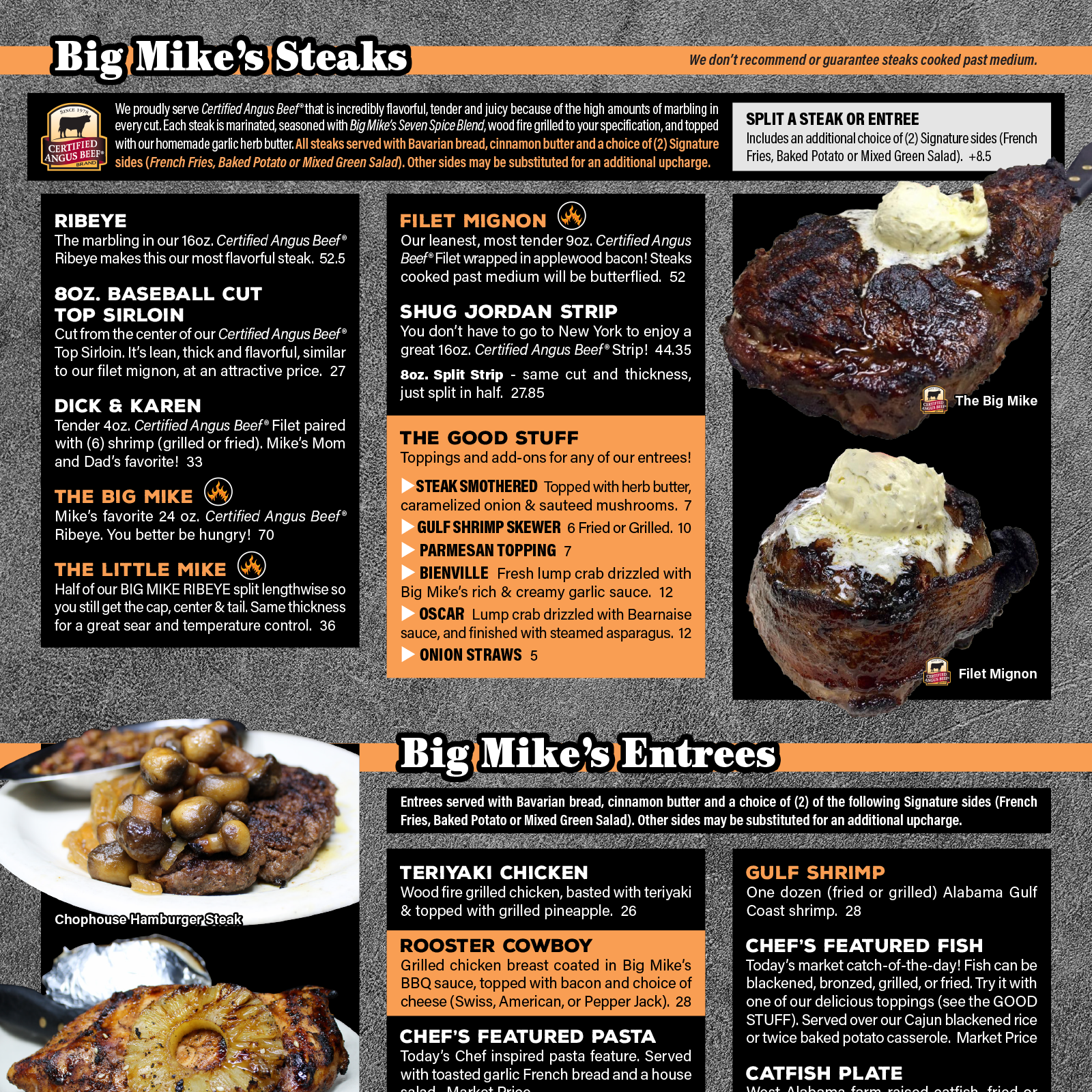
Not Every Menu Item Needs a Photograph
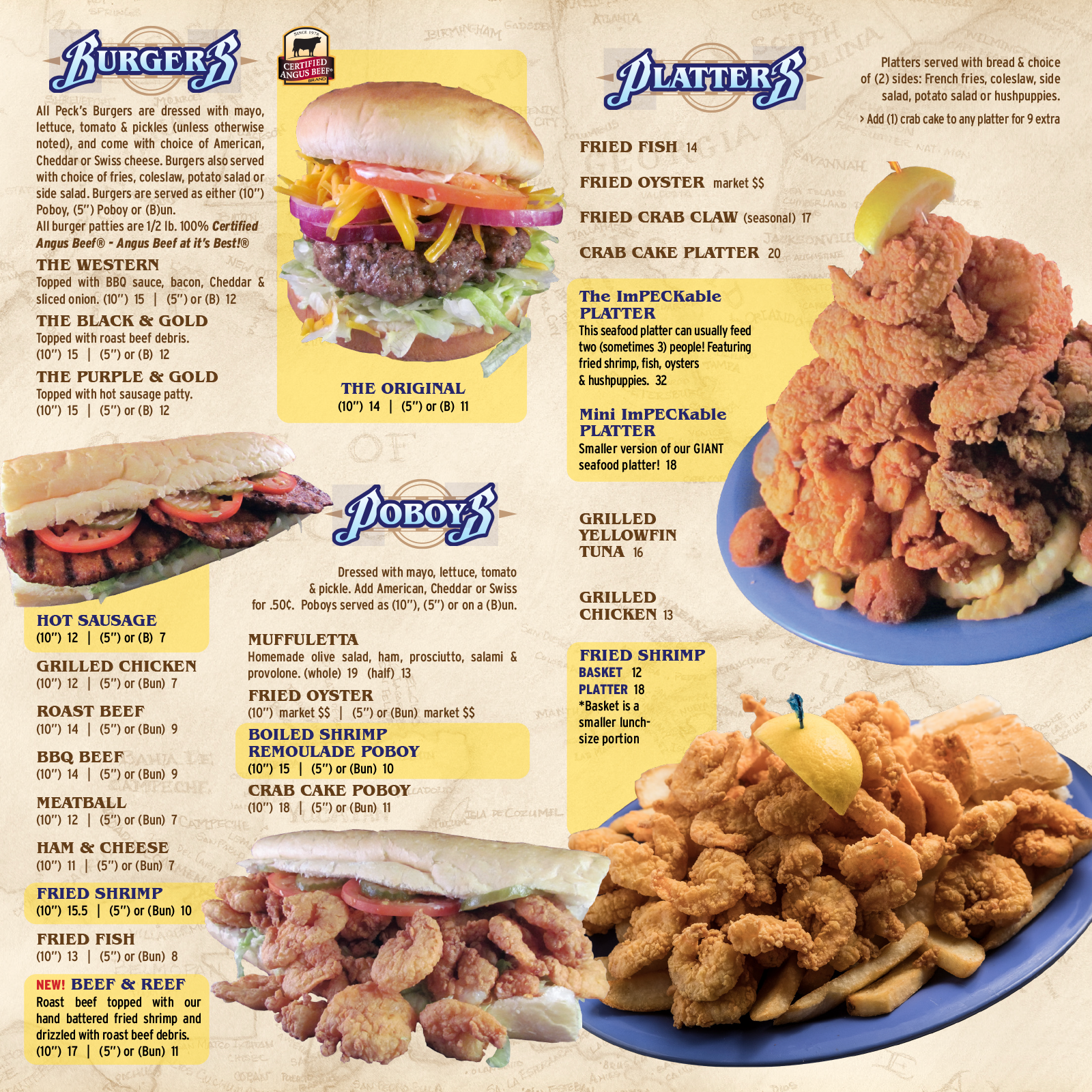
If a few good photographs can attract attention, it might seem logical that more photographs would be even better. Usually, they aren’t.
When nearly every item has a photograph, the images begin competing with each other. Instead of creating visual hierarchy, they can create visual clutter. Nothing stands out because everything is trying to stand out.
Selective photography gives the restaurant more control. A few carefully chosen images can direct attention toward signature dishes, profitable items, unfamiliar foods or selections the restaurant particularly wants to showcase.
This is one reason I don’t believe there’s a universal rule for how many photographs belong on a menu. The answer depends on the restaurant, the menu, the available space, the type of food and what the restaurant is trying to accomplish.
The photographs should have a purpose.
The Wrong Photograph Can Hurt Perceived Value
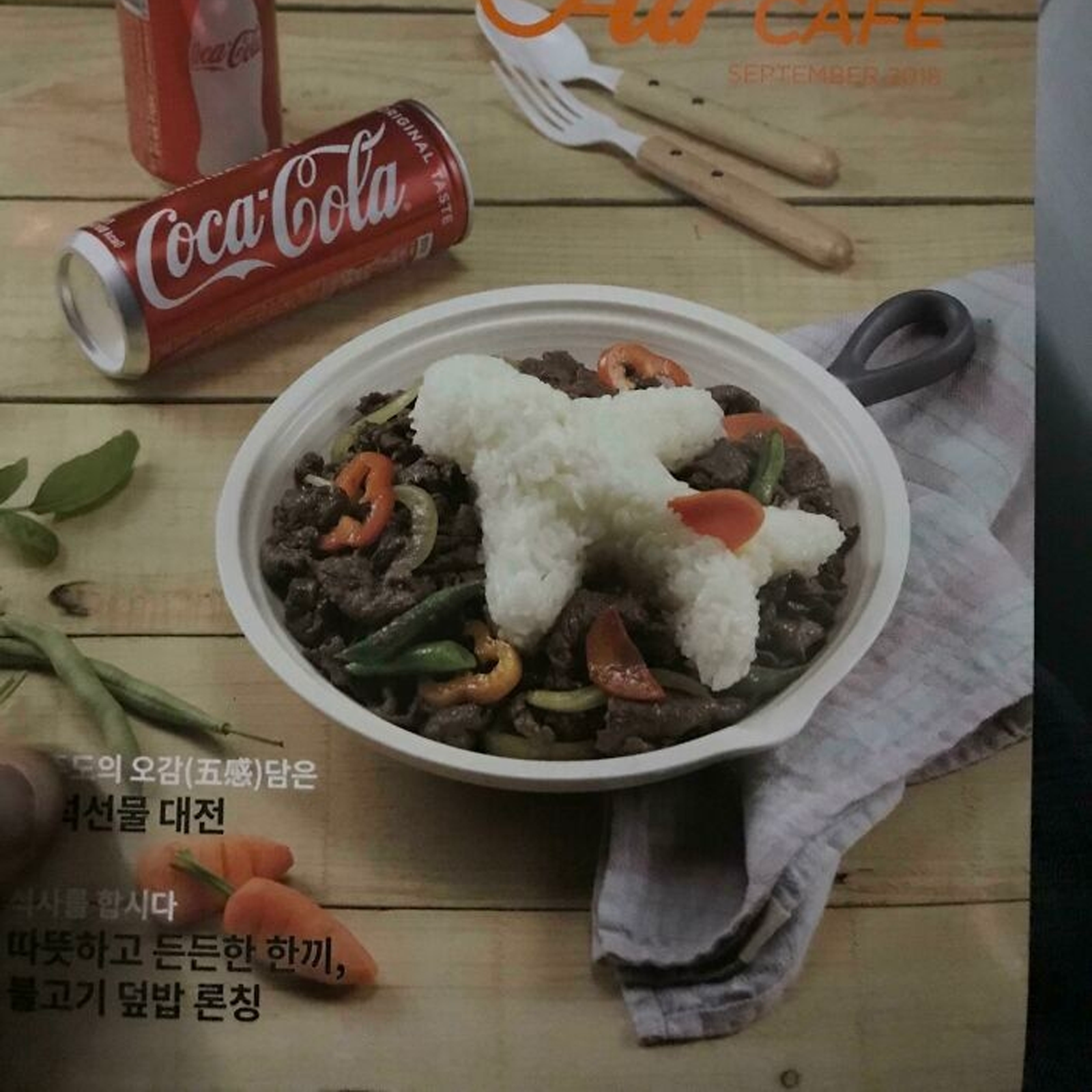
There is another side to food photography that restaurant owners sometimes overlook. A bad photograph doesn’t merely fail to help.
It can actively make the food look less appealing.
Poor lighting can make fresh ingredients look dull. Incorrect color can make meat look gray. Harsh shadows can hide important details. A cluttered background can distract from the food. An unappealing camera angle can make a generous portion look small or awkward.
And because customers haven’t tasted the dish yet, the photograph becomes part of the evidence they’re using to judge it.
Imagine selling a $28 entrée beside a dark, poorly composed photograph taken quickly with a phone. The food might taste fantastic. But the photograph may unintentionally communicate something very different about its quality and value.
That’s why professional food photography isn’t simply decoration. It’s part of the restaurant’s presentation.
The Food Still Needs to Look Like Your Food
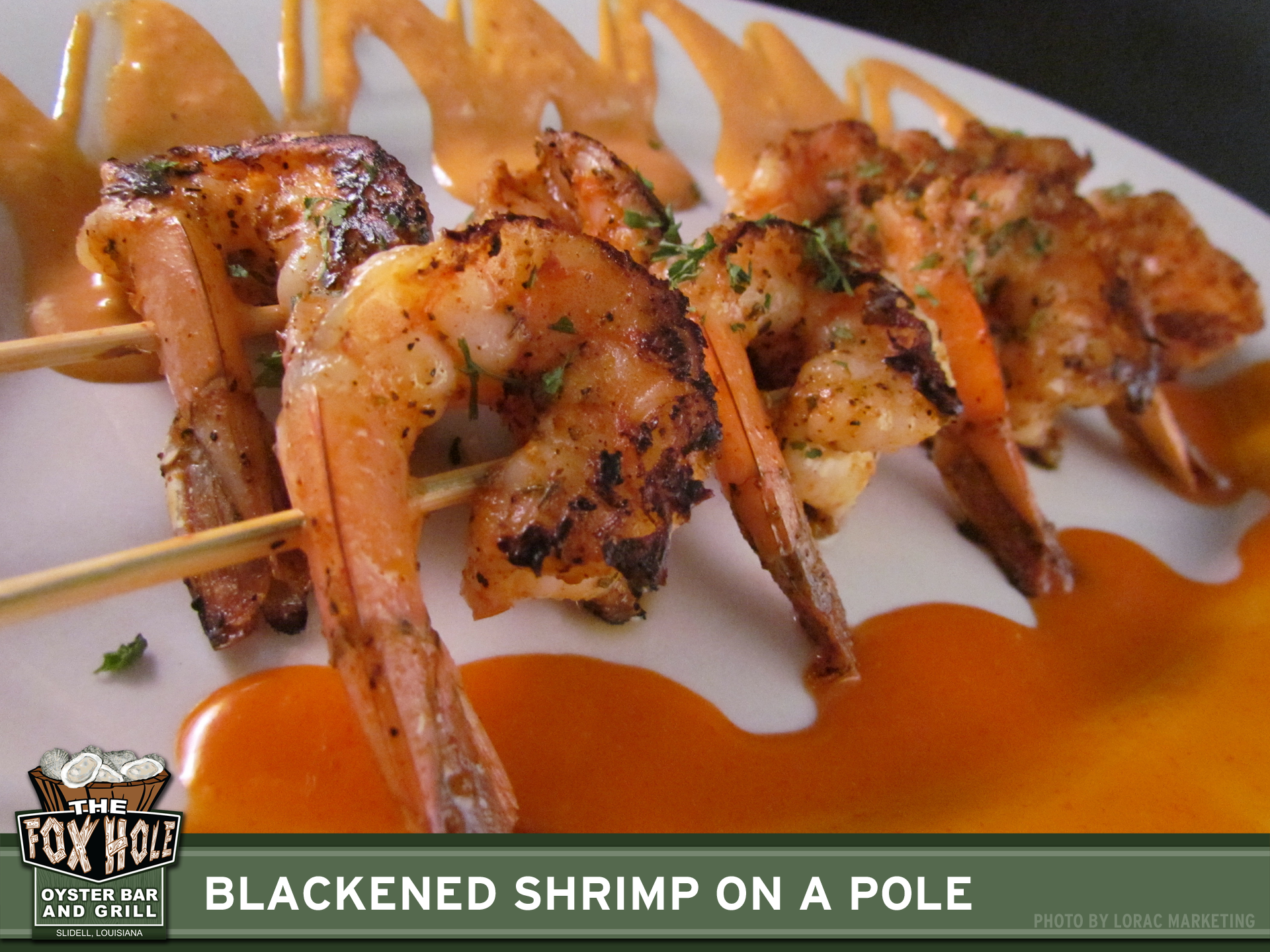
There’s an important balance here. Restaurant photography should make food look its best—but customers should still recognize the dish when it arrives at the table. The goal isn’t to create an imaginary version of the food that the restaurant could never actually serve.
It’s to present the real food deliberately.
That means paying a attention to plating, garnishes, portion placement, lighting, camera angle, background and the condition of the food when it’s photographed. Some foods have a very short photographic window. Ice melts. Sauces run. Fried foods lose texture. Greens wilt. Cheese changes appearance as it cools.
Preparation and timing matter. The strongest food photographs usually happen when the kitchen and photographer work together rather than treating the photo shoot as an afterthought.
Food Photography Can Change How Customers Perceive Price
Customers don’t evaluate price in isolation. They evaluate what they believe they’re getting for the price.
A professionally photographed entrée with visible ingredients, thoughtful presentation and an appetizing portion can help establish a stronger perception of value. That doesn’t mean photography magically makes an overpriced dish seem inexpensive. It means presentation contributes to the customer’s overall judgment.
The same principle exists throughout the restaurant. Customers form opinions from the building, dining room, table settings, menu design, server presentation and the food itself. The photograph is another piece of that experience.
If everything about the menu communicates quality except the photography, those images can work against the restaurant.
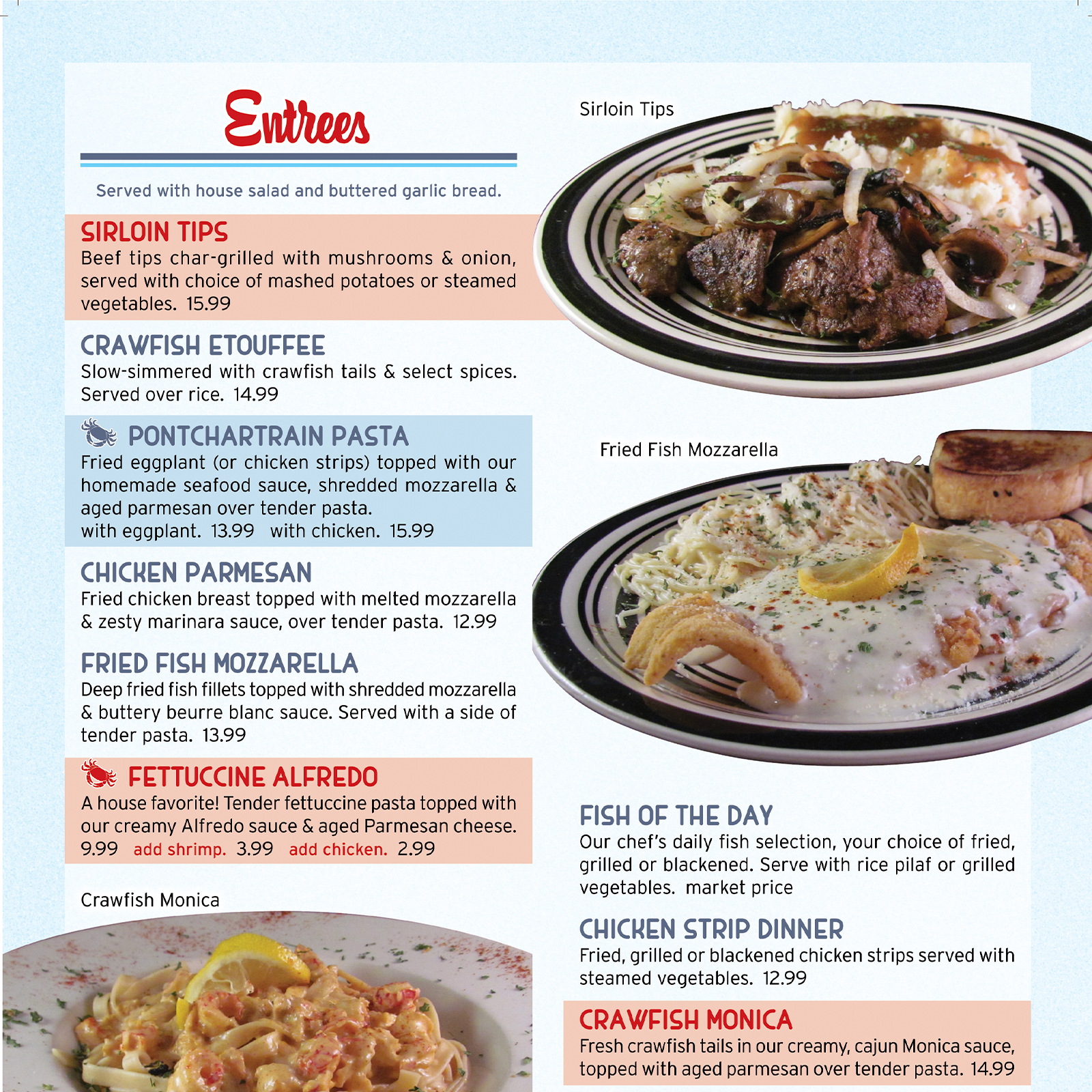
Food Photography and Menu Engineering Can Work Together
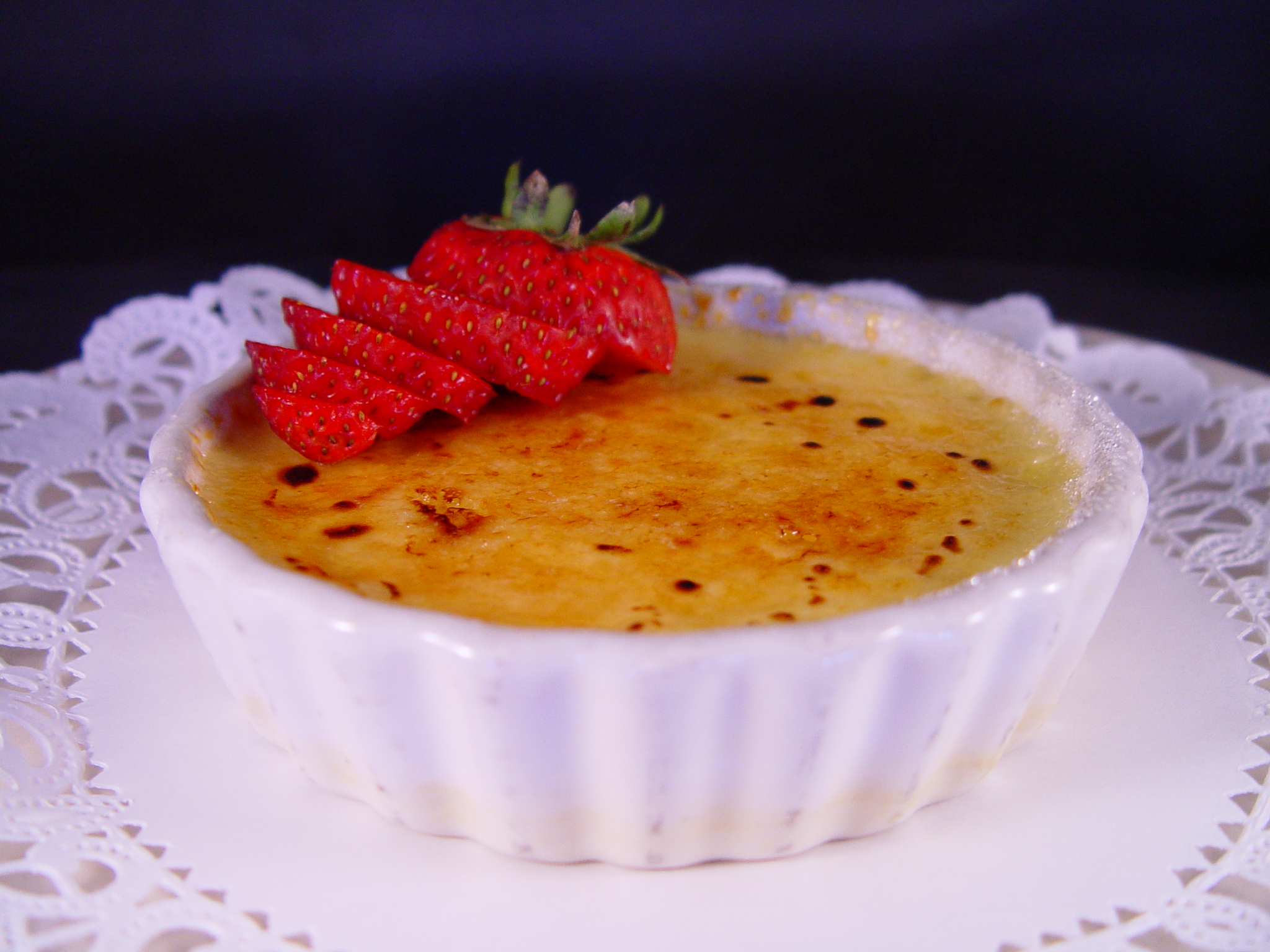
This is where photography becomes particularly useful from a profitability standpoint. Menu engineering looks at factors such as an item’s popularity and contribution margin to help determine which dishes deserve attention and what strategies might improve overall menu performance. Photography can become one of those strategies.
For example, a restaurant might discover an item that produces an excellent contribution margin but isn’t ordered as frequently as expected. There could be many reasons for that. Maybe customers don’t understand the dish. Maybe its description isn’t compelling. Maybe its location on the menu isn’t helping. Maybe another item is stealing attention.
A photograph won’t automatically solve those problems. But strategically featuring that item with strong photography may be one way to increase its visibility.
This is why I prefer to think about menu photography as part of the overall menu strategy—not as something added at the end simply because an empty space needs a picture.
Your Menu Isn’t the Only Place Those Photographs Can Work
One of the biggest advantages of a professional restaurant photo shoot is that the images can serve far more than the printed menu.
The same library of photographs can potentially be used across:
- Restaurant websites
- Online ordering systems
- Facebook and Instagram
- Google Business profiles
- Digital menu boards
- Table tents
- Promotional materials
- Print Advertising
- Catering menus
- Email marketing
- Delivery platforms
- Billboards
That changes the economics of professional photography. You’re not necessarily commissioning a photograph for one spot on one menu. You’re building a library of visual assets that can represent the restaurant anywhere customers encounter the brand.
A well-planned photo shoot should take those different uses into consideration.

Good Food Photography Has a Job to Do
There is a temptation to judge restaurant photography with one simple question: “Is this a beautiful photograph?”
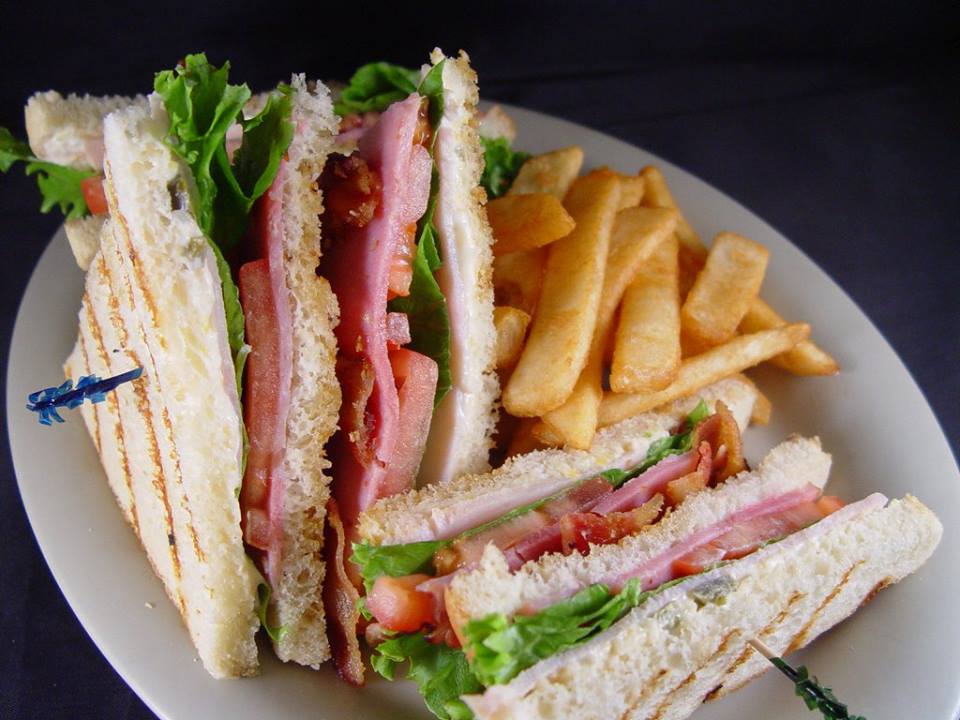
That’s important, but I think there’s a better question: “Is this photograph helping sell the food?”
Those aren’t always the same thing. A photograph can be artistic and technically impressive while doing very little to communicate what makes the dish desirable.
Restaurant food photography should make the food the hero. It should help customers understand the dish, notice it, want it and feel comfortable ordering it. When that happens, photography stops being decoration.
It becomes part of the menu’s selling strategy.